What Problems Does Detailed Cabin Care Actually Solve for Interior Detailing?
Most interior problems stem from chemistry mismatches and moisture control failures, not lack of effort. Salt, odor molecules, and allergens require targeted extraction and pH-balanced treatment, not surface wiping.
The Cabin Problems That Actually Drive Service Calls
- Salt Ring Persistence: Newark road salt embeds deep into carpet fibers permanently.
- Odor Chemistry Failure: Surface sprays mask smells without breaking molecular bonds.
- Leather Crack Acceleration: Ohio humidity swings dry unprotected surfaces within months.
- Allergen Accumulation Zones: HEPA vacuums miss embedded pollen in seat seams.
Interior detailing solves health and comfort problems as much as appearance. Allergens like pollen, dust mites, and pet dander collect in carpet fibers and HVAC vents, and odor sources such as spilled milk, smoke residue, and mildew live deep in seat foam where air fresheners only mask them.
The Service Structure That Turns Messy Surfaces Into a Clear Result
If you have ever watched a detailer vacuum for three minutes and call it done, you already know what the pricing confusion actually is. The structure separates surface work from restoration, and most quotes bundle them without explaining which problem gets solved.
The Three Approaches to Cabin Work
- Express Wipe-Down: Vacuum debris, spray dashboard, wipe glass clean.
- Full Extraction Protocol: Pre-treat stains, extract embedded soil, condition materials.
- Drying and Protection: Air movers prevent mildew, protectants block UV.
This fails when the quote says "interior detail," and the customer expects extraction but receives surface cleaning. The work looks identical in photos, but one removes embedded salt, and the other pushes it deeper into carpet backing where it crystallizes and attracts moisture all summer.
Different materials need different chemistry. Genuine leather needs a pH-balanced cleaner and conditioner, vinyl and plastic need UV protection to prevent cracking, cloth upholstery needs extraction, and Alcantara or suede needs a gentle brush and minimal moisture.
Common Interior Problems and the Fix
- Pet Hair: Rubber brushes and pet hair tools pull embedded hair that vacuums leave behind.
- Coffee and Food Stains: Enzyme pretreatment followed by hot water extraction lifts the stain from the fibers.
- Smoke and Musty Odors: Steam cleaning and odor treatment target the source in fabric, vents, and headliner.
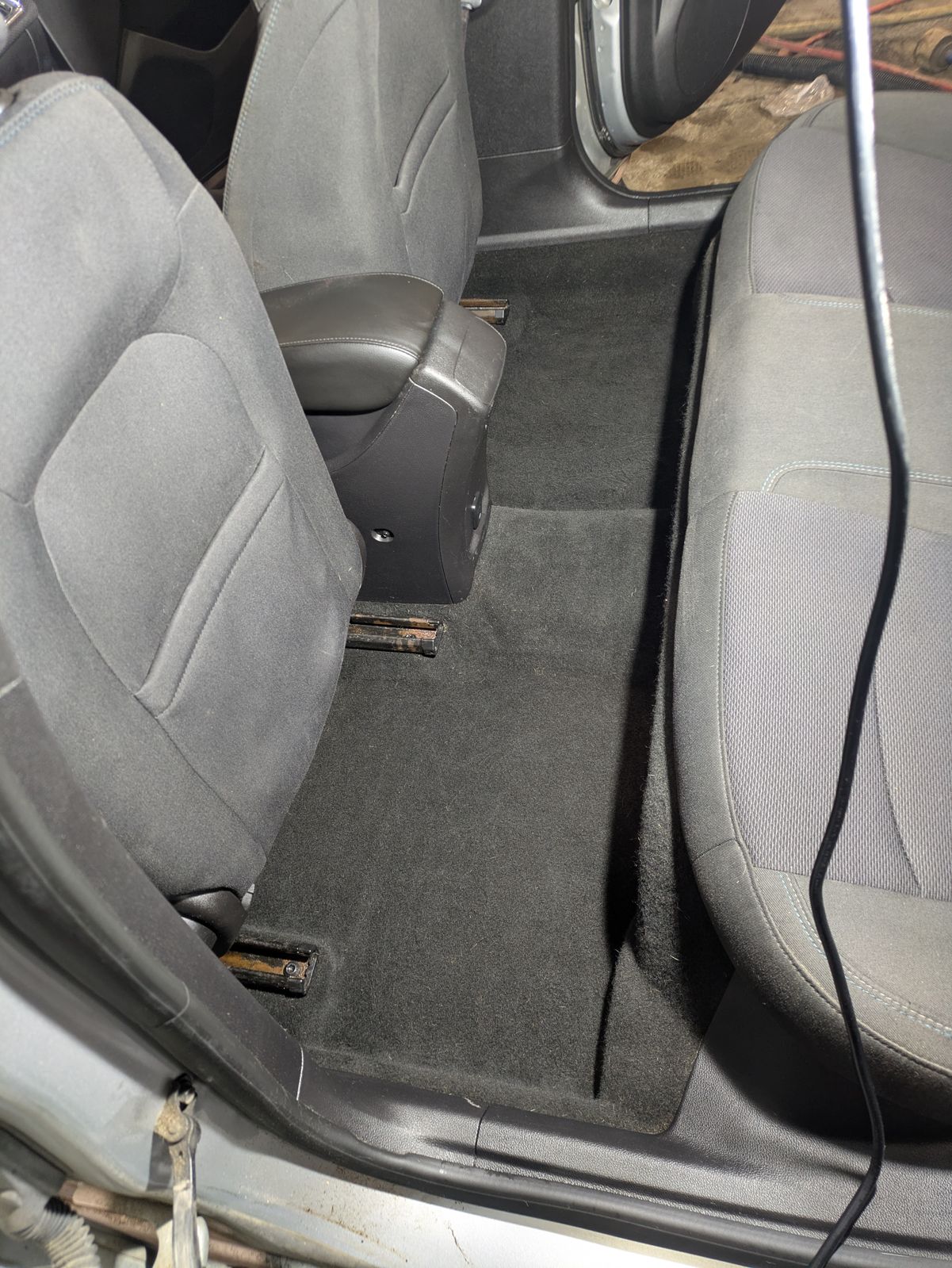
- Salt Stains on Carpet: White winter salt rings dissolve with dedicated salt remover before extraction.
Common Oversights That Undo a Fresh Cabin Clean
- Immediate Re-Soiling: Tracking road salt or mud into freshly extracted carpet before fibers fully dry and reset.
- Premature Window Closure: Sealing the cabin during humid Newark evenings traps moisture in upholstery and headliner fabric.
- Unprotected Sun Exposure: Parking in direct UV without shade accelerates leather drying despite fresh conditioner application within days.
- Skipped Drying Verification: Driving before carpet pad moisture content drops below safe thresholds reactivates embedded odor sources.
- Neglected Maintenance Intervals: Waiting twelve months between services allows Ohio pollen and dust to re-embed beyond surface cleaning.
Other oversights that undo a fresh clean include dirty cabin air filters that blow dust back onto the dash, wet floor mats returned to the vehicle before they dry, and harsh household cleaners or greasy dressings that leave a glare on the dashboard and a slick steering wheel.
The Newark Interior Detailing Process From Assessment to Final Finish
The Newark interior detailing process separates surface work from structural restoration through documented assessment, contaminant-specific chemistry, and moisture verification. Most callbacks trace to skipped drying checks or pre-treatment mismatches, not the extraction itself. The work succeeds when every stage addresses what the previous stage revealed.
1. Conduct interior condition assessment and triage
At JMIDS, we photograph every surface before touching anything, documenting salt rings in carpet, stains in upholstery, and dashboard cracks. The intake interview identifies odor sources, pet history, and previous detailing attempts that may have left residue or damage.
2. Perform deep vacuuming and contaminant removal
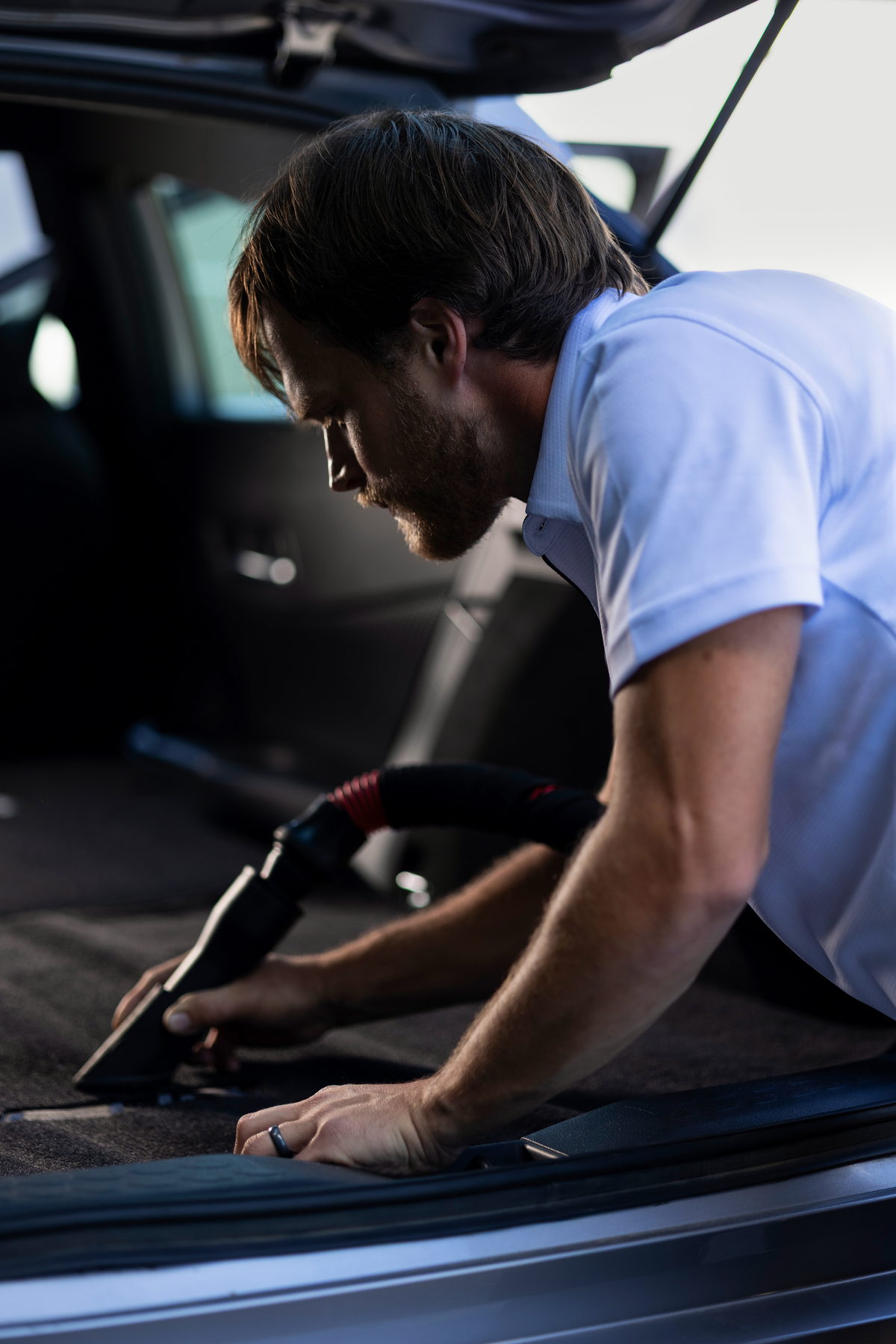
HEPA vacuuming pulls embedded pollen and dust from seat seams before any liquid touches fabric. Compressed air purges vents and crevices where Newark road salt hides. Pre-treatment chemistry is matched to stain type and fiber composition to avoid setting proteins or tannins permanently, preparing surfaces for fabric stain extraction.
3. Extract, condition, and verify final finish
Hot water extraction removes dissolved soil and cleaning agents from carpet and upholstery, followed by air movers to prevent mildew during Ohio humidity. Leather receives pH-balanced conditioning after cleaning. We verify moisture content before handoff to avoid reactivating embedded odor sources within days.
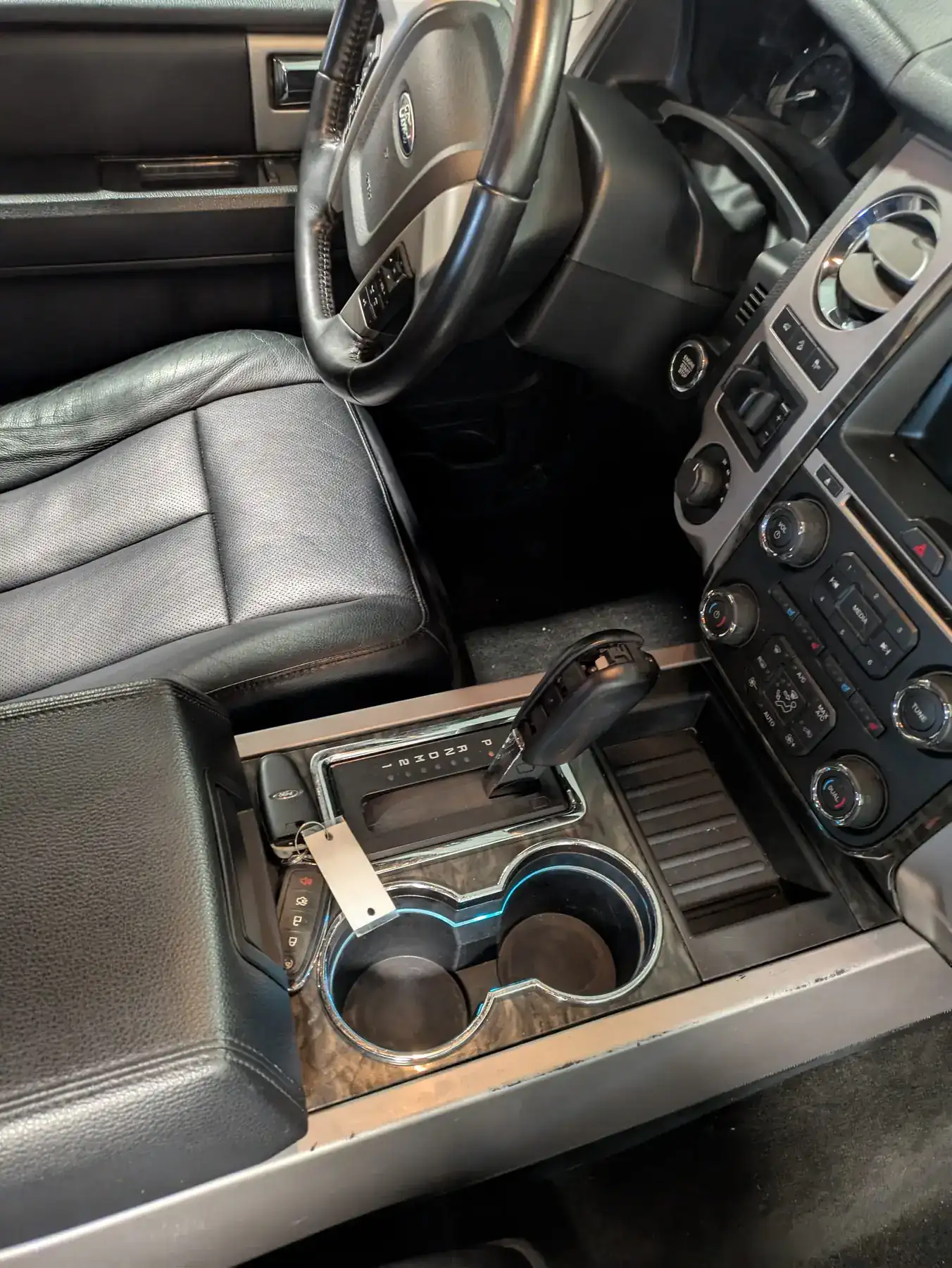
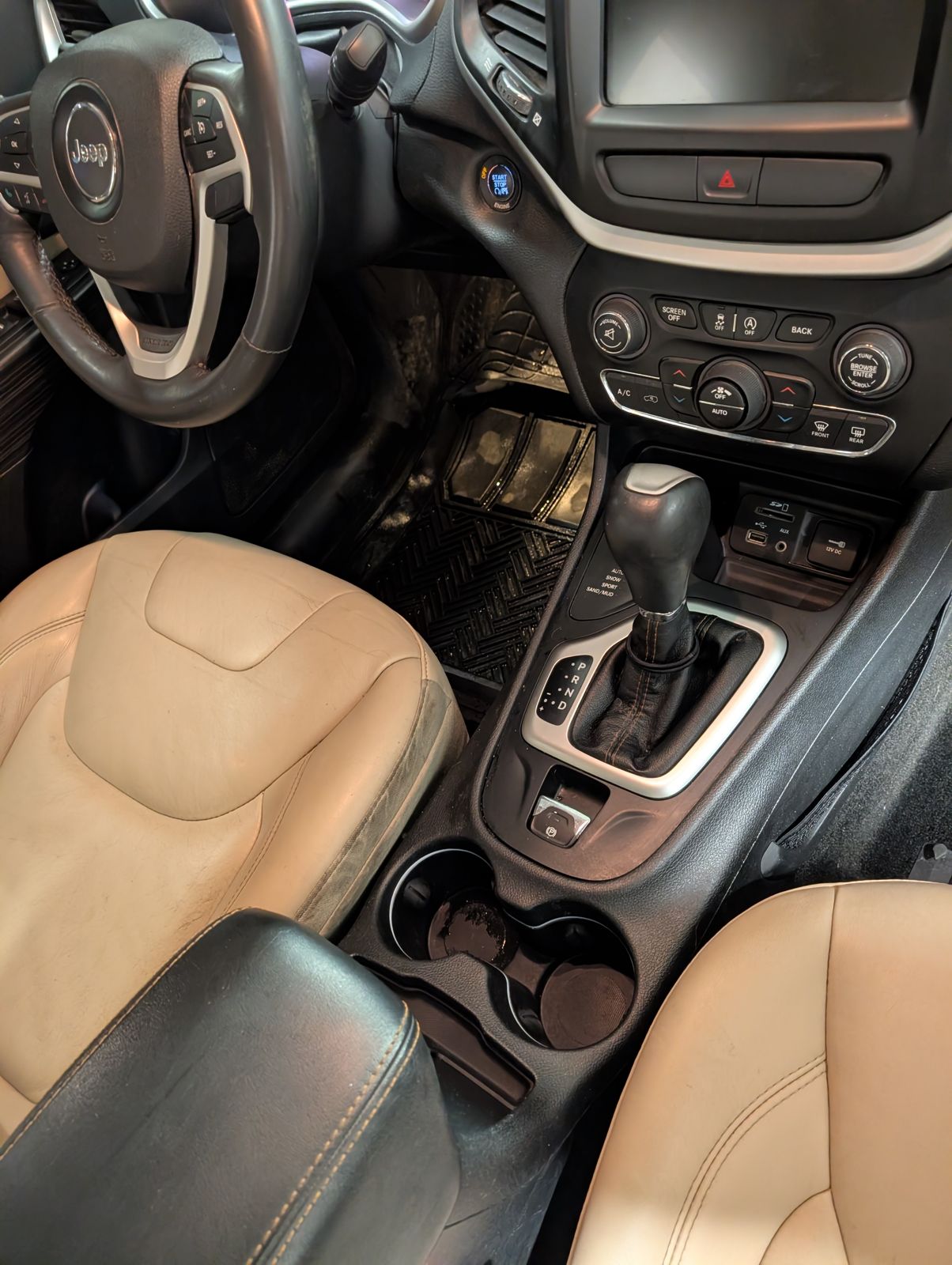
Seat belts, cup holders, seat rails, and the gap between the seat and center console hold more debris than any visible surface. Touch points like the steering wheel, shifter, door handles, and infotainment screen also carry the most bacteria, so they get dedicated attention with screen safe products.
Accessible Service Coverage for Newark Area Vehicles
JMIDS serves vehicle owners throughout Newark and surrounding Licking County communities, providing interior detailing directly at homes, workplaces, and parking locations. From downtown Newark to Granville, Heath, Hebron, Buckeye Lake, Pataskala, Utica, and Johnstown, the team travels via State Route 16, State Route 13, and Interstate 70 to reach residential driveways, office parks, and municipal lots across the region. JMIDS completes full interior extraction and conditioning services on-site, eliminating the need for customers to drop off vehicles or arrange alternate transportation.
Service Area Coverage
- Serving Newark, Heath, Granville, Hebron, Buckeye Lake, Pataskala, Utica, and Johnstown across Licking County.
- Accessible via State Route 16, State Route 13, Interstate 70, and Granville Road throughout the region.
- Coverage extends east to Buckeye Lake recreational areas and west to Johnstown residential neighborhoods.
- Steam extraction, leather conditioning, and odor remediation are performed at customer locations.
The mobile setup includes onboard water supply, power generation, and ventilation equipment, allowing complete interior restoration without requiring access to customer utilities or indoor space.
See our coverage area, full pricing, or request a quote.
What Licking County drivers say
"I can't say enough good things about the quality of this company. Highly, highly recommend using them!"
"Jared did a fabulous job on our vehicles. JMIDS is a mobile detailing service that will come out to you! Great quality and convenience! We will definitely be using him again!"
"Thanks for working so hard and doing such a great job. I would recommend your services to anyone!"
"This was the best detailing job on my SUV. My SUV looks better than the day I brought it home. He detailed my SUV as if it was his own vehicle. You will not be disappointed in the quality of the work."
Pairs well with
Frequently asked questions
How long should carpet and upholstery stay damp after extraction cleaning?+
Carpet fibers dry within four to six hours under controlled airflow, while foam padding beneath requires eight to twelve hours. Driving before pad moisture drops below safe levels reactivates trapped odor molecules.
Carpet surface fibers dry within four to six hours when air movers run continuously. The foam padding underneath takes eight to twelve hours. That gap matters. Seat upholstery follows the same pattern: visible fabric dries fast, but the cushion core holds moisture longer. Newark humidity stretches both windows during summer evenings. Close the cabin too early, and you trap moisture exactly where mildew starts. Wait until the padding feels dry to the touch before normal use.
What should you verify before driving away after interior detailing service?+
Verify that carpet padding is dry to the touch, windows are streak-free, and all surfaces are protected before leaving. Driving with damp padding reactivates odors and traps moisture in the cabin.
Touch the carpet in three spots: driver footwell, rear floor, and under the front seats. If any area feels cool or damp, the padding beneath still holds moisture. That moisture will wick back up through fibers once you close the doors and drive. Check every window from both sides in direct light. Streaks mean residue remains, which will attract dust within hours. Run your hand across the dashboard and door panels. A tacky feel indicates protectant was applied too heavily and will collect lint. These three checks take ninety seconds and prevent the most common post-service complaints in the Newark area.
Ask the detailer to confirm drying time before you leave. If they cannot give you a specific answer based on humidity and airflow, the work is not finished. A professional knows when the cabin is ready.
Why does leather conditioning fail within weeks despite professional interior detailing?+
Leather conditioning fails when UV exposure, temperature extremes, or incompatible cleaning products strip protective layers faster than conditioner can penetrate. Durability depends on post-service habits and environmental control.
Conditioner sits on the surface. It does not bond to leather the way factory treatments do. When a vehicle parks in direct sun for eight hours daily, UV radiation breaks down the emollient layer faster than the leather absorbs it. The result looks identical to untreated leather within three weeks. Temperature swings in Ohio amplify the problem. A cabin that reaches 140 degrees in July afternoon sun forces moisture out of both the leather and the conditioner simultaneously, leaving neither protected.
- Silicone-Based Dashboard Sprays: Overspray migrates to leather seats during application, creating a barrier that prevents conditioner absorption and traps heat beneath the surface layer.
- Unshaded Parking Duration: Leather exposed to more than four hours of direct UV daily loses conditioner effectiveness at twice the rate of garaged vehicles, regardless of product quality.
- Incompatible Cleaning Products: Household cleaners containing alcohol or ammonia strip conditioner within days, leaving leather more vulnerable than before the detailing service.
Reapplication intervals matter more than product brand. Leather in vehicles parked outdoors requires conditioning every six weeks during Ohio summers. Garaged vehicles extend that window to twelve weeks. Skipping the interval does not pause degradation. It accelerates it.
What makes JMIDS's approach to stain removal different from standard interior detailing methods?+
JMIDS uses pre-treatment chemistry matched to stain type before extraction, rather than applying universal cleaners. Success depends on identifying the stain source, especially distinguishing protein-based spills from petroleum residues.
JMIDS identifies the stain before selecting the treatment. Coffee requires acid neutralization. Grease needs emulsification. Blood demands enzyme breakdown. A single all-purpose cleaner cannot address all three. The Newark team tests a hidden section first, applies the matched pre-treatment, allows dwell time for molecular breakdown, then extracts. Skipping identification means the stain returns within days. That is not a theory.
How does JMIDS handle pet hair removal during interior detailing in Newark?+
JMIDS uses layered extraction combining rubber rake agitation, compressed air dislodging, and wet extraction to remove embedded pet hair from upholstery and carpet. Success depends on fiber type and whether hair has bonded with moisture or oils.
Pet hair embeds differently than dirt. Static cling bonds individual strands to fabric weave points, while dander oils create adhesive patches that standard vacuums cannot break. JMIDS starts with rubber rake tools that create friction against upholstery nap, lifting hair from deep within seat crevices and floor mat backing. Compressed air follows, dislodging strands trapped in ventilation grilles and seatbelt retractor housings. The final wet extraction phase captures what mechanical agitation missed, pulling hair and dander particulate into recovery tanks. Leather surfaces require a separate protocol since hair clings to conditioned grain differently than it does to cloth. Newark humidity complicates removal timing because damp fibers hold hair tighter than dry ones.
JMIDS schedules pet hair appointments with extra drying time built in, preventing mildew growth in upholstery that stays damp longer due to increased soil load. Vehicles with multiple pets or shedding breeds receive pre-treatment notification so owners understand the extended service window required for thorough results.