Common Detailing Gaps That Leave Surfaces Looking Half-Finished
The detail that looks complete from ten feet away often leaves embedded contaminants in wheel wells, untouched door jambs, and faded trim. These gaps show up within days when salt or dust returns to the same spots.
Where Most Details Stop Short
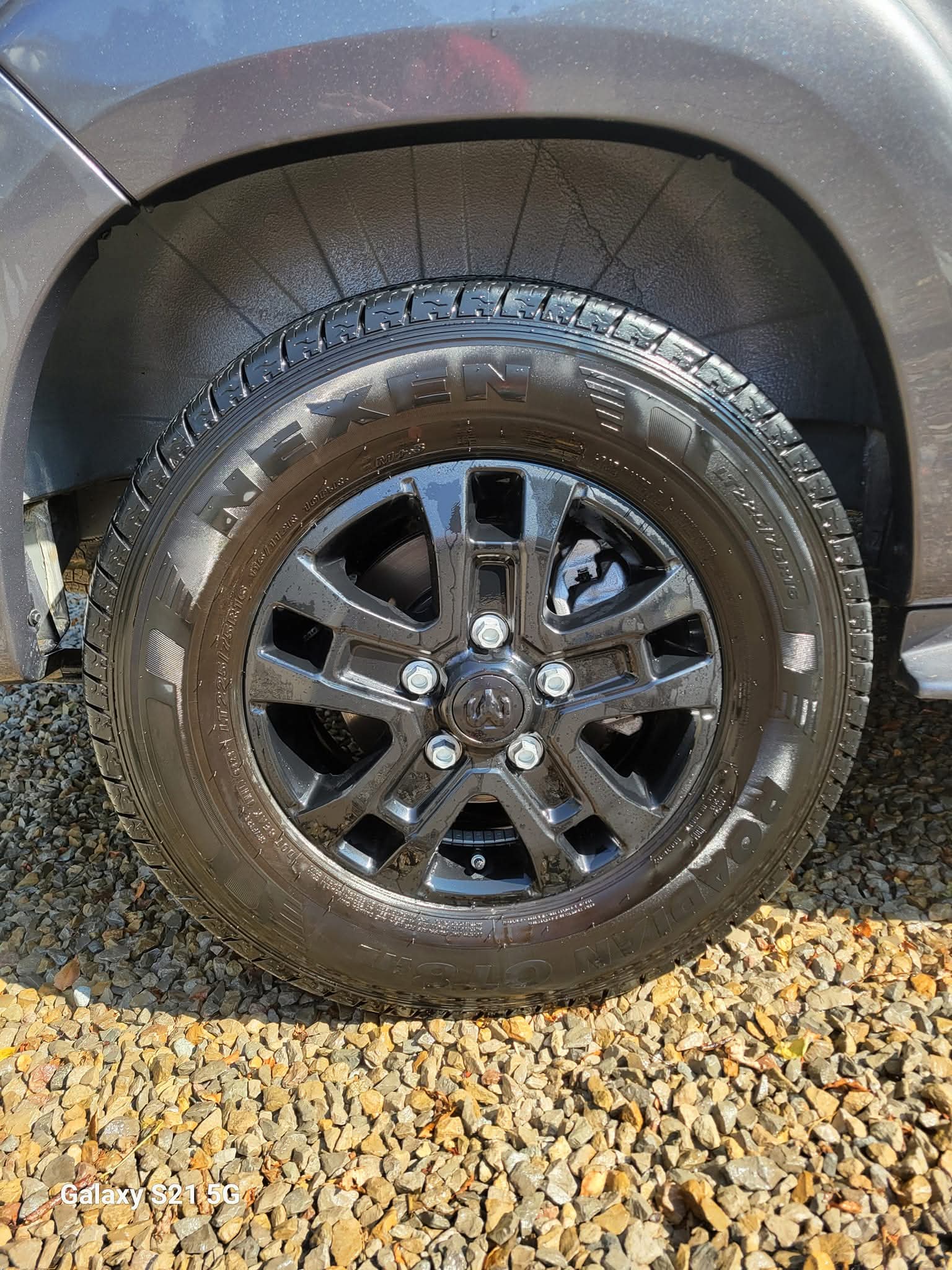
- Wheel Wells Ignored: Road salt and brake dust remain embedded.
- Door Jambs Skipped: Grime accumulates where panels meet frames.
- Trim Left Faded: Plastic and rubber stay gray and oxidized.
- Vents Still Dusty: Interior air passages never get addressed.
Many half-finished results come from treating a full detail as two separate jobs. The interior gets vacuumed while the exterior gets washed, but nobody connects the dots: the door jambs, trunk seals, sunroof channels, and window tracks that sit between inside and out collect the most grime and get skipped the most.
What Does Full Inside and Out Detailing Actually Include?
If you have ever paid for a detail and still found dust in the vents or wax streaks on black trim the next morning, you already know the difference between a service list and actual execution. The gap shows up in places most operators never photograph.
The Work That Defines Complete Coverage
- Exterior Decontamination Stack: Iron remover, clay bar, tar extraction applied.
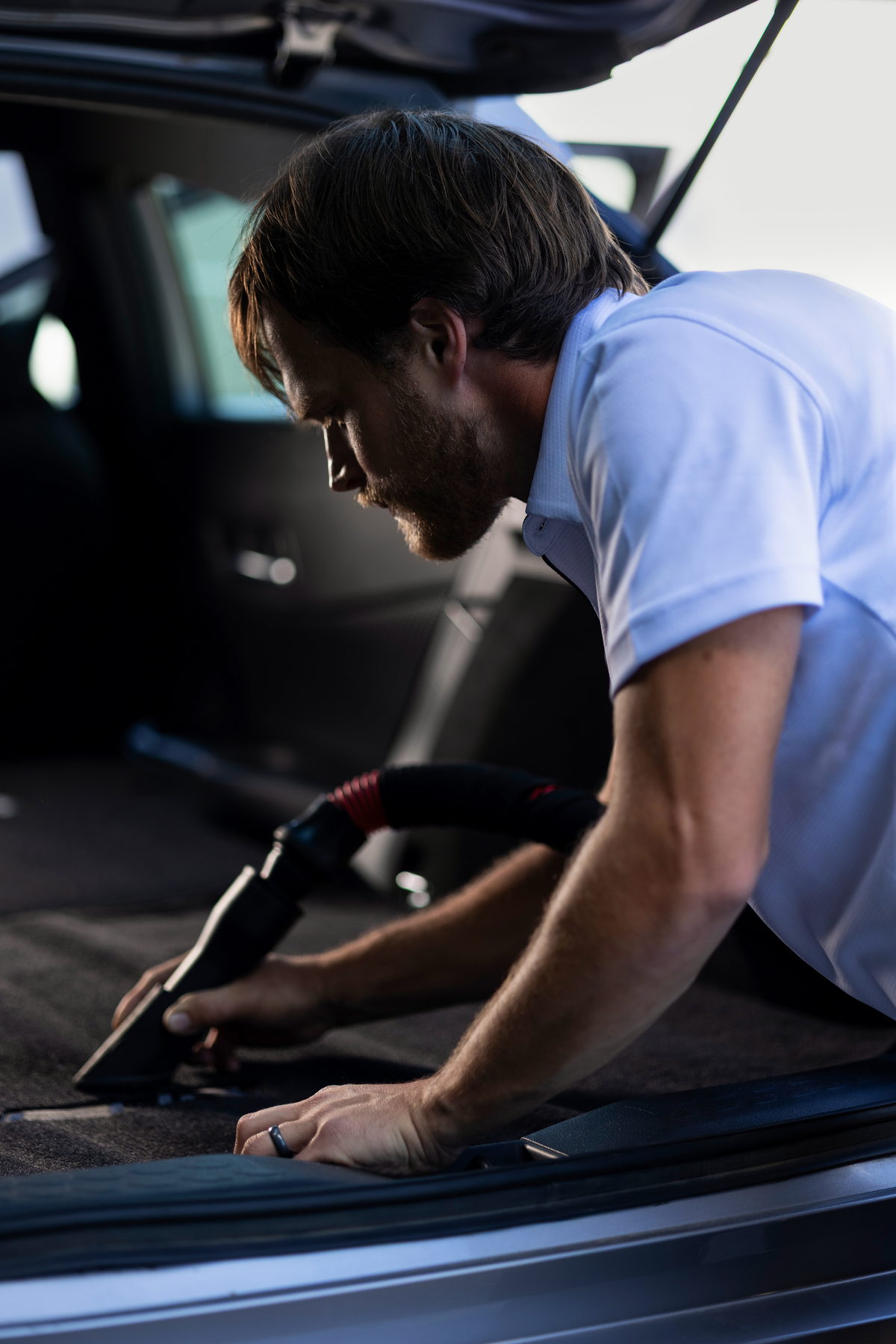
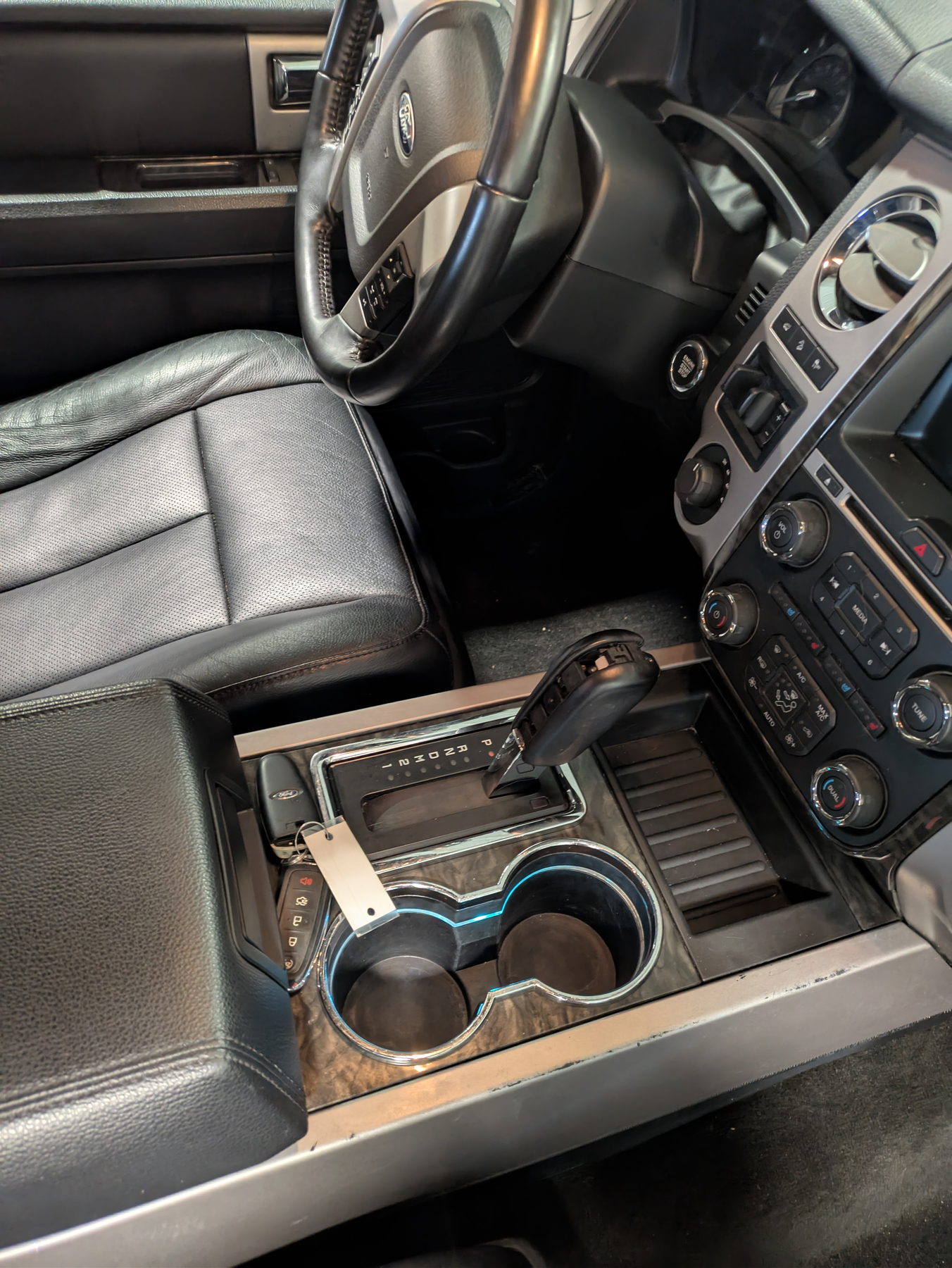
- Interior Deep Reset: Steam extraction, leather conditioning, HEPA vacuuming performed.
- Protection Layer Application: Wheel and tire dressing, sealant curing verified.
The detail that fails is usually the one that skipped the dwell time or rushed the drying phase to hit a schedule. You will not see the problem at pickup—water spots and streaking surface three days later when the sealant has not bonded correctly.
A full inside and out detail is a common choice before selling or trading in a vehicle, after buying a used car, at the end of a lease, after a long road trip, or to reset the vehicle once a season. Clean vehicles photograph better for listings and usually earn a stronger first impression at trade in appraisal.
When a Full Detail Makes Sense
- Before a Sale or Trade In: Removes the wear signs buyers and appraisers notice first.
- After Buying Used: Resets the cabin with steam and extraction so it feels like yours.
- Seasonal Reset: Clears winter salt and slush in spring, or pollen and sand before winter.
Paint, Glass, and Interior Surfaces Need Different Treatment
Why Surface-Specific Protocols Matter More Than Time Spent
- Paint Correction Chemistry: Compound and polish formulas sized to clear coat hardness prevent haze and marring.
- Glass Decontamination Sequence: Iron remover and clay bar lift embedded contamination without scratching tempered automotive glass.
- Interior Material Mapping: Leather pH-balanced cleaners, fabric steam extraction, and plastic conditioners applied by surface type.
- Trim Protection Discipline: Masking tape and panel-specific dressings prevent silicone migration from tires onto painted surfaces.
- Engine Bay Detailing and Headlight Restoration: Degreasing agents suited to underhood plastics and rubbers, plus abrasive compounds calibrated to polycarbonate lens hardness, prevent damage that general-purpose cleaners cause.
Each surface also ages for a different reason. UV exposure dries out dashboards and leather, body oils and sunscreen discolor steering wheels and armrests, and moisture trapped in carpet padding leads to mildew odor. Glass carries a hazy film from interior plastics off-gassing, which is why the inside of the windshield streaks at night.
The Newark Full Inside & Out Detailing Process From Assessment to Final Verification
The Newark Full Inside & Out Detailing Process From Assessment to Final Verification separates rushed work from methodical reconditioning. Most callbacks trace to skipped dwell time or incomplete drying between stages. The inspection that happens before and after each phase is what prevents the rework.
1. Initial condition scan and defect mapping
We photograph every panel under LED inspection before touching the surface. Paint thickness readings identify thin clear coat zones where aggressive correction would burn through. The map determines what can be corrected safely.
2. Targeted deep clean and decontamination
Iron remover chemistry sits on painted surfaces for the full dwell time specified by the manufacturer. Clay bar treatment follows only after contamination has been chemically loosened. Rushing this sequence leaves embedded particles that scratch during polishing.
3. Interior-exterior refinement and final quality check
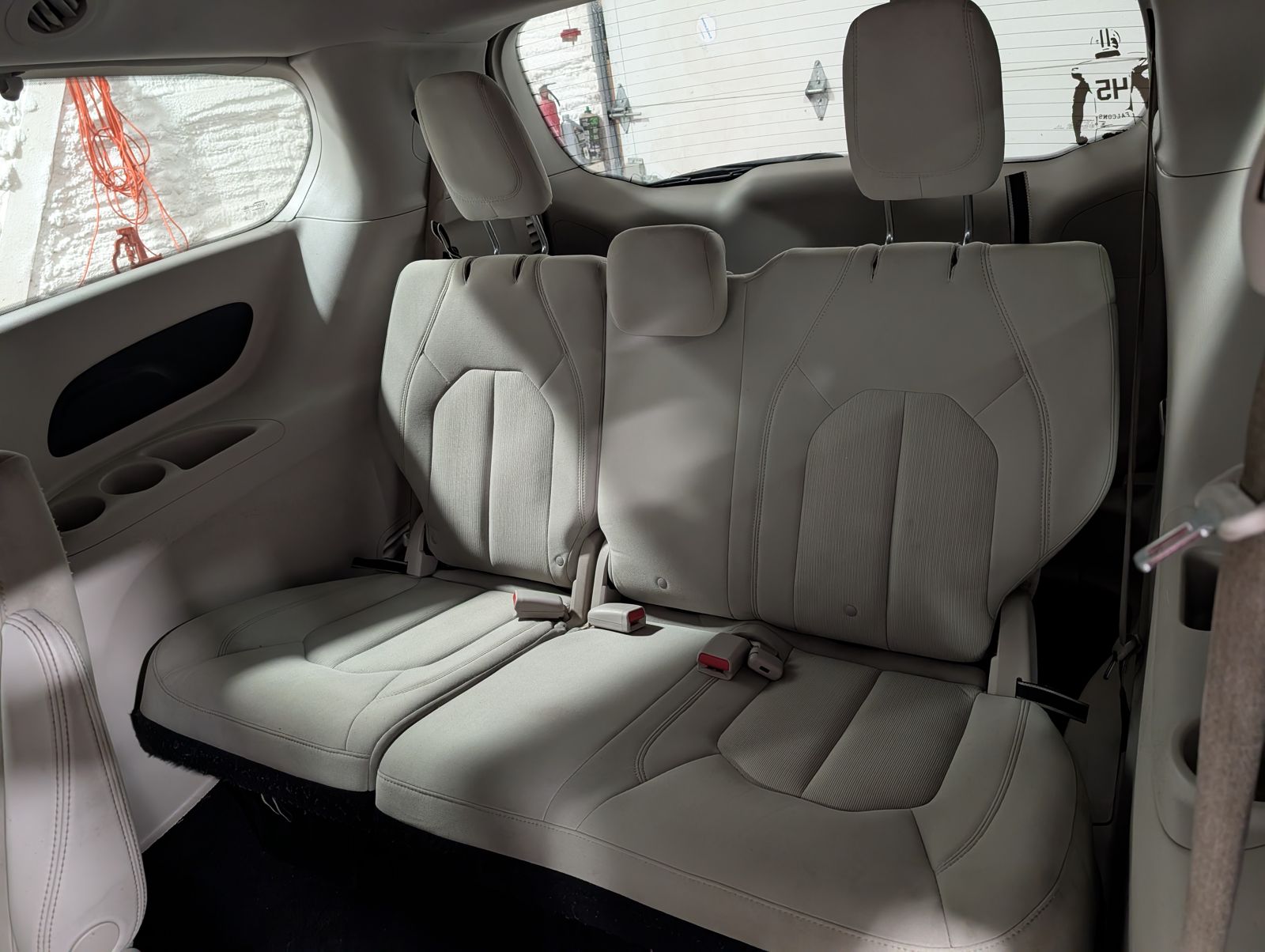
At JMIDS, we verify gloss uniformity across all corrected panels using cross-hatch LED lighting before applying protection. Interior surfaces receive a final HEPA vacuum pass after steam extraction dries completely, and interior odor elimination protocols confirm that no residual moisture or cleaning agent remains trapped in upholstery or carpet backing. The vehicle leaves only after both systems pass inspection.
Families with car seats, pet owners, contractors, and commuters each bring different problems to the appointment: crushed snacks in seat rails, dog hair woven into fabric, drywall dust in floor mats, or coffee stains on the driver seat. Naming those problems when booking helps the right tools and chemistry come to your driveway.
Convenient Access for Newark Area Customers
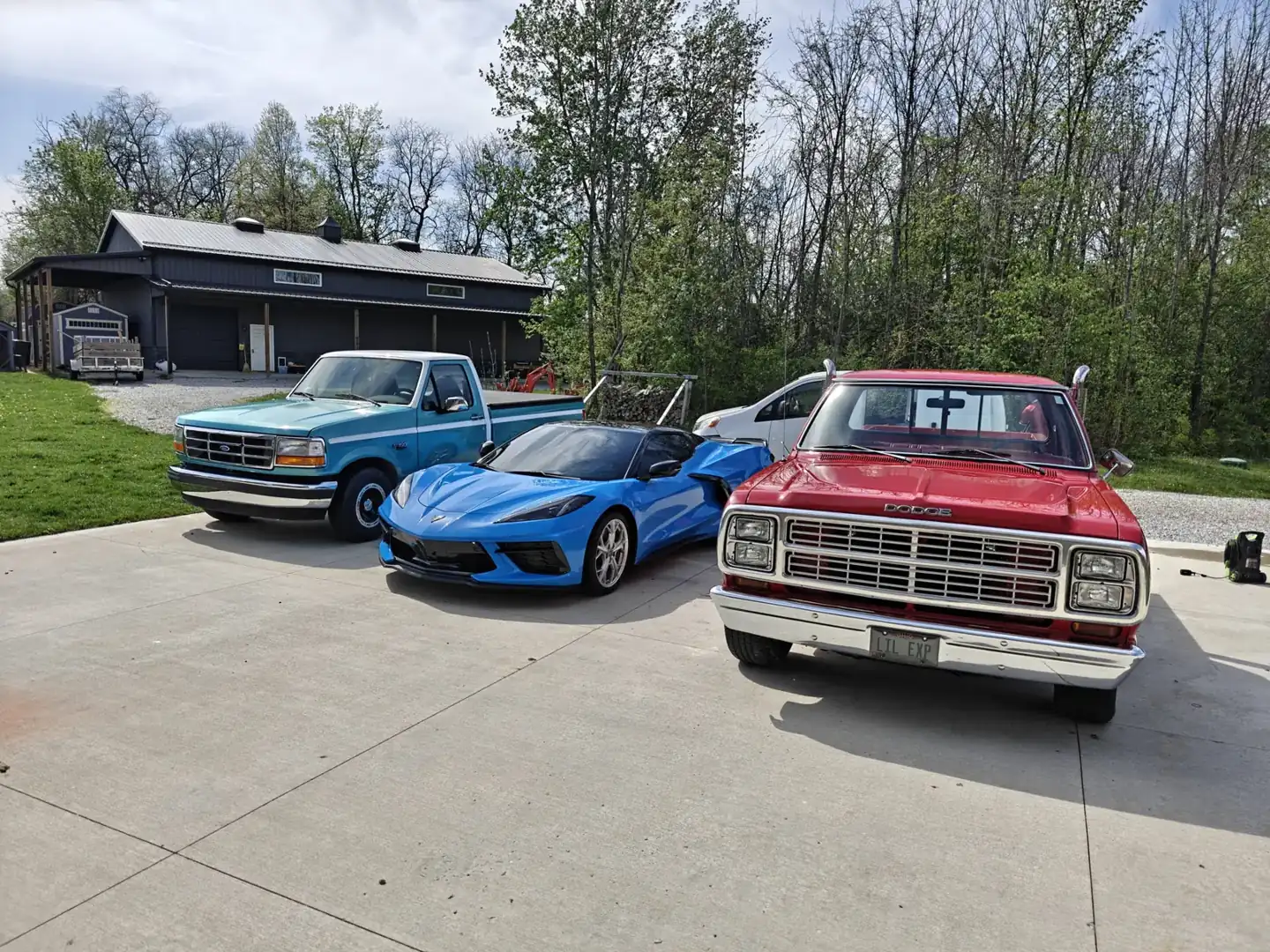
JMIDS serves vehicle owners throughout Newark and surrounding Licking County communities, providing full inside and out detailing directly at customers' homes or workplaces. From downtown Newark to Granville, Heath, Hebron, and Buckeye Lake, the team travels via State Route 16, State Route 79, and State Route 13 to reach residential driveways, office parking lots, and commercial properties across the region. Appointments are scheduled in two-hour windows, with the technician arriving with all equipment, water supply, and power generation needed to complete the work on-site.
Service Area Coverage
- Serving Newark, Heath, Granville, Hebron, Buckeye Lake, Pataskala, Utica, and Johnstown
- Accessible via State Route 16, State Route 79, State Route 13, and US Route 40
- Coverage extends west to Johnstown, east to Hebron, and south to Buckeye Lake
- Complete interior and exterior detailing performed at customer's property
The mobile setup includes a 275-gallon water tank, onboard power, and containment mats that capture runoff per Ohio EPA stormwater guidance.
See our coverage area, full pricing, or request a quote.
What Licking County drivers say
"I can't say enough good things about the quality of this company. Highly, highly recommend using them!"
"Jared did a fabulous job on our vehicles. JMIDS is a mobile detailing service that will come out to you! Great quality and convenience! We will definitely be using him again!"
"Thanks for working so hard and doing such a great job. I would recommend your services to anyone!"
"This was the best detailing job on my SUV. My SUV looks better than the day I brought it home. He detailed my SUV as if it was his own vehicle. You will not be disappointed in the quality of the work."
Pairs well with
Frequently asked questions
How long does a full inside and out detailing appointment take from drop-off to pickup?+
A thorough full inside and out detailing session requires four to six hours for proper dwell time, surface-specific treatment, and curing. Rushed work under three hours skips critical steps like clay bar decontamination or sealant bonding.
Plan on four to six hours. That window allows proper dwell time for iron removers, complete clay bar passes on paint and glass, steam extraction cycles for upholstery, and sealant curing without forced air shortcuts. Appointments shorter than three hours skip steps. You will find wax residue in trim crevices or damp carpet seams. Professionals in the Newark area block full-day slots to avoid cutting corners when the next vehicle arrives early.
What makes JMIDS's approach to interior and exterior surface treatment different from standard detailing?+
JMIDS applies surface-specific chemistry and dwell times calibrated to each material type, preventing cross-contamination and residue buildup that standard methods miss. Effectiveness depends on proper masking discipline and pH-matched formulas for leather, fabric, glass, and paint.
Standard detailing often applies the same product across multiple surfaces. That approach leaves silicone streaks on paint, alkaline residue on leather, or wax haze on glass. JMIDS maps every surface before starting work. Leather receives pH-balanced cleaners. Fabric gets steam extraction. Glass undergoes clay bar treatment without scratching tempered layers. Paint correction compounds match clear coat hardness. Trim protection uses masking tape to prevent tire dressing from migrating onto body panels. Each chemistry requires specific contact time. Rushing the sequence leaves residue or incomplete bonding.
Customers in Newark and surrounding Licking County areas notice the difference when door jambs, wheel wells, and trim receive the same attention as paint and upholstery. JMIDS verifies every surface before final handoff, ensuring no material was treated with the wrong formula or skipped entirely.
How does JMIDS handle vehicles with pet hair, child seats, and heavy interior use?+
JMIDS uses staged extraction for embedded pet hair and fabric contaminants, starting with compressed air and HEPA vacuuming before steam treatment. Seat removal is offered when hair has migrated beneath rails or into HVAC intake grilles.
Pet hair does not sit on top of carpet. It migrates through fiber backing, wraps around seat track mechanisms, and collects inside blower housings where standard vacuums cannot reach. JMIDS begins every high-use interior with compressed air blown through vent registers and seat seams before any wet chemistry touches the surface. That sequence prevents hair from matting into damp fabric during steam extraction.
- Compressed Air First: Blower nozzle dislodges hair from seat tracks, door pockets, and HVAC intake grilles before vacuuming begins.
- HEPA Filtration Pass: Commercial vacuum with sealed filtration captures dander and fine particles without recirculating allergens into cabin air.
- Steam Extraction Last: Hot water injection lifts remaining oils and stains after dry debris removal prevents fiber matting and odor lock-in.
Child seat anchor points and cargo area tie-downs accumulate juice spills and cracker dust in bolt recesses that quick wipes miss. JMIDS treats these high-contact zones with the same decontamination discipline applied to door jambs and wheel wells. Vehicles used daily by families in the Newark area leave our facility without the stale smell that returns two days after a surface-only clean.
Can a vehicle be detailed in winter, or does cold weather prevent proper product application?+
Full inside and out detailing remains effective in winter when performed in climate-controlled facilities where products cure at manufacturer-specified temperatures. Outdoor application below 50°F causes wax hazing and sealant adhesion failure.
Detailing chemistry requires stable temperature ranges to bond correctly. Wax applied below 50°F never fully cures. It sits on the surface, collects dust, and hazes within days. Sealants need warmth to cross-link with clear coat. Interior leather conditioners stay greasy in cold air instead of absorbing. Professionals in the Newark area work in heated bays year-round, maintaining the 60–75°F window that allows products to perform as designed. Road salt makes winter the season vehicles need attention most.
What happens if a vehicle has been neglected for years before full inside and out detailing?+
Neglected vehicles require extended contact time for iron removers and clay bar treatment, plus multiple polish passes to correct oxidized clear coat. Restoration remains possible when contamination has not penetrated below the clear coat layer.
Oxidation on paint surfaces appears as a chalky haze that dulls the finish. Clay bar treatment pulls embedded rail dust and industrial fallout from the clear coat, but the process takes longer when contamination has bonded over multiple seasons. Iron remover chemistry needs additional dwell time to dissolve rust particles that have settled into paint pores. Interior fabrics with years of ground-in soil require steam extraction at higher temperatures, followed by a second pass with upholstery brushes to lift compacted debris from fiber bases. Leather that has dried and cracked benefits from pH-balanced cleaners and conditioners applied in stages, allowing each layer to absorb before the next application.
Heavily neglected vehicles in the Newark area often show the most dramatic transformation after full detailing. The process takes longer, but surfaces respond when the correct chemistry and contact time are applied. Restoration stops only when contamination has etched through the clear coat itself.